Deportation, A Real Fear for Immigrants in Portugal as Laws Tighten

Lisbon, August 20, 2025
Portugal’s Punjabi migrant community is facing growing uncertainty as the government enforces stricter immigration rules, leading to widespread rejection of work permit applications and an increase in deportation orders
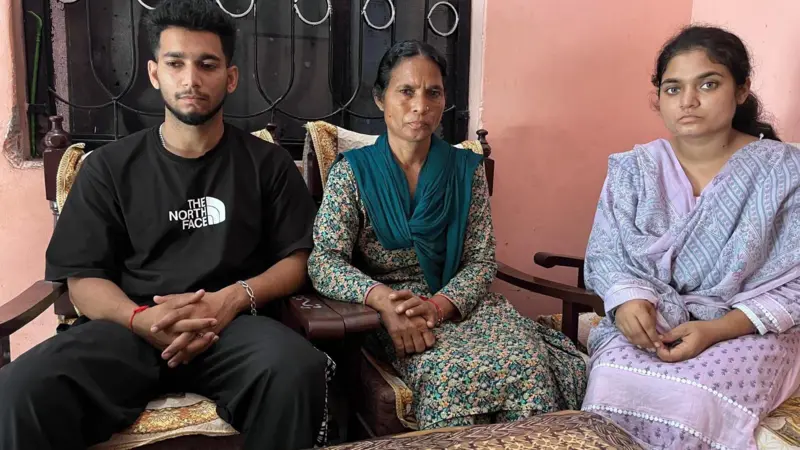
Harmanpreet Singh, a 29-year-old from Tarn Taran, shared his distress after his application was denied. “Even at night, we are afraid that the police may come and take us to a detention center,” he said. Like many others, Singh survives on cash-in-hand jobs, constantly fearing arrest.
Families back in India are also under severe strain. Singh’s wife, Karamjit Kaur, explained: “Our only income is from his work in Portugal. If he is deported, we will lose everything.”

Amid this crisis, Dharamjit Singh Saini, CEO of Crown Segment and a well-known immigration advisor in Portugal, has emerged as a prominent voice for migrants. Saini estimates that nearly 10,000 Indians, mostly Punjabis, are currently at risk of deportation

Earlier, migrants could apply for a work permit soon after arrival and expect approval within 90 days,” Saini explained. “Now, many applications are being rejected outright, and the road to citizenship has been extended from five years to ten. On top of that, applicants must prove language and cultural knowledge, which creates further hurdles.”
Mr Saini has been at the forefront of advocacy efforts, highlighting how high legal costs and lengthy appeal processes prevent most migrants from challenging deportation orders. He also points out that police raids have increased, leaving communities living in constant fear
“We’re talking about people who have built their lives here, who are part of our economy, our neighbourhoods, and our future,” said Dr. Timóteo Macedo, founder of Immigrant Solidarity. “Using SIS alerts with no criminal basis to justify deportations is a violation of fundamental rights.”
Mr Saini has been at the forefront of advocacy efforts

Under his leadership, migrant support groups and community organizations have staged demonstrations across Lisbon, Porto, and other Portuguese cities. “We are calling on the Portuguese government to reconsider these policies and to treat long-term tax-paying migrants with fairness and dignity,” Saini emphasized.
While the government has not yet issued a formal response, migrant families continue to hope that voices like Saini’s will influence future reforms. For now, however, thousands remain in limbo, their futures uncertain as the shadow of deportation grows darker.