

Article 92

Temporary residence permit for Vocational students (Article 92)
Portugal offers a unique pathway for foreigners to enhance their skills through vocational studies, aligning with the Portuguese job and business market demands. Thanks to the visa waiver provisions, individuals can apply for a residence permit as vocational trainees under Article 92, even if they entered Portugal on a (short-stay) tourist visa.
Why Choose Vocational Training in Portugal?
Pathway to Residency: Eligibility for residence permits under Article 92 facilitates legal stay during the training period.
Skill Enhancement: Programs are designed to meet market needs and provide practical, relevant skills.
Global Recognition: Certifications are recognised across Europe, opening doors to a range of employment opportunities.


Application Process:
The application process will be divided into two parts to ensure clarity and efficiency. Part one covers the structure of the admission and selection process for the vocational training institute in Portugal. Part two exclusively covers the immigration and residence permit process, managed by the AIMA, the Portuguese immigration authority.
IMPORTANT UPDATE – ARTICLE 92 RESIDENCE PERMIT
Effective from 11 September 2026, Article 92 of Portugal’s Immigration Law has been amended by Law No. 62/2026 of 10 September.
Under the new wording of Article 92(1), a residence permit may be granted to a student enrolled in secondary education or a CITE 2011 Level 4 course, provided that the student holds a residence visa issued under Article 62, meets the general requirements of Article 77, is properly enrolled and has SNS coverage or health insurance.
ARTICLE 92(4) REVOKED
The new law expressly revokes the previous Article 92(4).
This is an important change for applicants who previously intended to rely on the Article 92(4) route for certain vocational or professional training courses.
Please note: Article 92 itself has not been abolished. The law has amended Article 92 and revoked paragraph 4. New applications must therefore be assessed according to the requirements currently in force.
Already submitted applications: Cases submitted before 11 September 2026 may require individual legal assessment regarding the applicable law and the status of the pending application.
Last updated: 12 September 2026. This information is for general guidance and does not constitute legal advice.
The amendment means that enrolment in a vocational or professional course by itself is no longer enough to rely on the former Article 92(4) route. Applicants should now verify carefully whether their course and immigration status meet the requirements of the current Article 92 before making any new residence application.
Students, schools and training providers should also be aware that different education routes may now fall under different immigration rules. Before paying tuition fees or submitting documents to AIMA, applicants should confirm whether the course falls under the correct legal category and whether a valid residence visa is required for that route.
Part 1: Admission Arrangements for Vocational Schools in Portugal
Step-by-Step Admission Process
- Research and Selection
- Identify vocational schools offering programs aligned with your career goals.
- Popular areas include IT, hospitality, healthcare, Portuguese Integration, languages and business administration.
- Application Submission
- Complete the application form on the chosen school’s website or communication electronically.
- Attach required documents such as a passport, academic qualifications, and a CV.
- Interview and Assessment
- Attend an interview or assessment session to determine your eligibility and suitability for the program.
- Acceptance Letter
- Once selected, the school will issue an acceptance letter, which is crucial for your residence permit application.
Part 2: Immigration Process for Residence Permit under Article 92
Step-by-Step Process
- Gather Required Documents
- A passport with a valid entry into Portugal.
- Vocational school acceptance letter.
- Portuguese tax number (NIF)
- Proof of accommodation.
- Proof of financial means to support your stay.
- Health insurance.
- Criminal record certificate from your home country.
- Criminal record certificate from the country of residence for more than 2 years
- Submit Application
- Book an appointment online/on-call with AIMA before ensuring all documents are ready.
- Biometric Data Collection
- Attend the AIMA appointment to provide biometric data, including fingerprints and photographs.
- Decision and Issuance
- Once approved, collect your residence permit, which allows you to stay and study in Portugal.

Tourist Visa to Vocational Education: A Unique Opportunity
Under the visa waiver program, individuals who enter Portugal on a tourist visa can switch to a vocational education pathway. This means they can apply for a residence permit under Article 92 while in the country.
Steps to Transition
- Enrol in a Vocational Program
- Obtain an acceptance letter from the institution.
- Prepare Necessary Documents
- Gather all required documents for the residence permit application.
- Submit Application to AIMA
- Highlight the vocational training pathway in your application.
Course Details and Benefits
Course Duration and Structure
Vocational training courses in Portugal vary, ranging from short-term programs of approximately 150 hours to extensive courses exceeding 2,000, depending on the specific objectives and field of study.
Fields of Study
Portugal offers diverse vocational training programs across industries. The “Head-to-Head Skills-Based Course” is designed to provide practical, hands-on training focusing on real-world skills. Participants will engage in interactive learning and apply their knowledge directly in competitive, real-time scenarios. This course strengthens problem-solving, teamwork, and technical skills, helping individuals gain the expertise to excel in their fields. Whether for career development or personal growth, this course offers valuable experience to sharpen your skills and stand out in your industry, including:
- Information Technology (IT)
- Hospitality and Tourism
- Healthcare Services
- Business Administration
- Culinary Arts
- Portugues Sociality Integration Programs
- Transportation Heavy Machinery Skilled Programs
- Construction-Related Professional Course
- Carpenter, Electrification, Plumber Skilled-Based Course
Institutions such as the CROWN Professional Training Institute (CPTI) are beacons of excellence in skill development. Through a blend of theoretical learning and hands-on practice, we aim to cultivate a new generation of professionals who are technically proficient and equipped with the critical thinking, problem-solving, and communication skills needed to excel in the workplace.
Work Rights During Vocational Training
Under Portuguese law, international students with a residence permit under Article 92 for vocational training may work full-time during their studies, provided they are over 23. However, you must ensure the work does not conflict with the course’s academic requirements and obligations.
If you need further clarification or assistance on this matter, please contact us. We are here to help you understand your rights and responsibilities as an international student in Portugal.


Family Reunification
Holders of a valid residence permit in Portugal have the right to reunification, allowing family members outside the national territory to join them. Eligible family members typically include spouses, minor children, dependent adult children, and dependent parents. The family reunification application can be initiated once the primary permit holder has obtained their residence permit. Family members granted residence through reunification may have the right to work, depending on individual circumstances.
Pathway to Portuguese Nationality
Portugal allows foreign nationals to apply for Portuguese nationality after legally residing there for at least 5 years. Time spent under a residence permit for vocational training counts toward this residency requirement. Applicants must also demonstrate sufficient knowledge of Portuguese, integration into the community, and a clean criminal record. Note that specific requirements and procedures may change; consult the latest information from Portuguese authorities or legal experts.
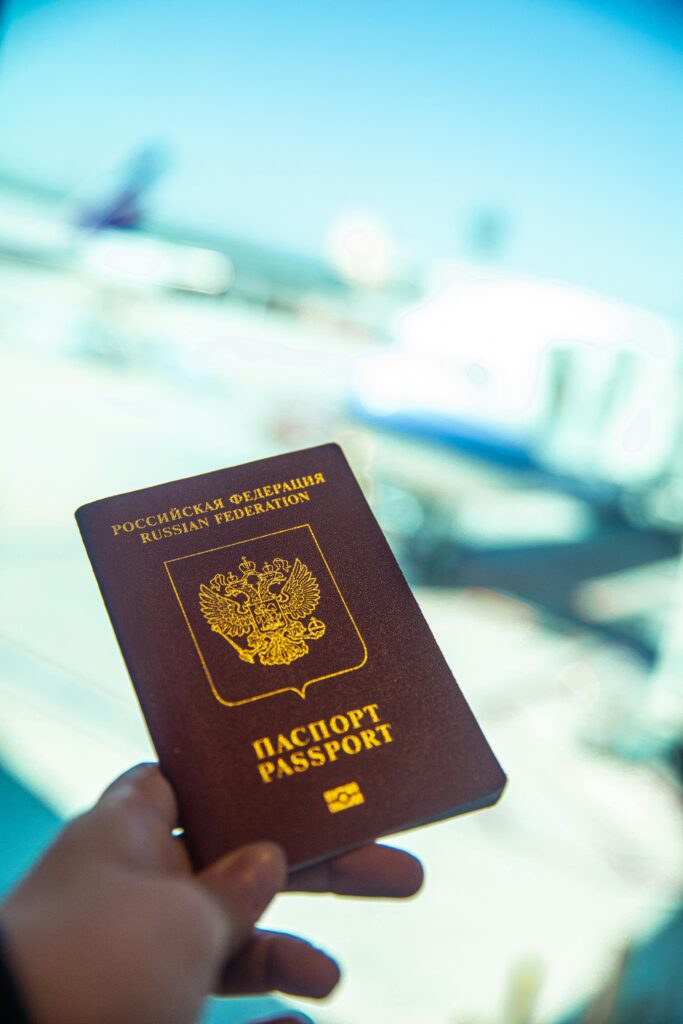
FAQ About Article 92 Vocational Study in Portugal
- Q1: Can I work in Portugal with a residence permit under Article 92?
- A1: Yes, the residence permit under Article 92 is specifically for vocational training and grants the right to work in Portugal for over 23 years.
- Q2: How long is the residence permit valid?
- A2: The permit is valid for one year and can be renewed annually if you continue your studies.
- Q3: Can my family join me in Portugal?
- A3: Parents can apply for family reunification, allowing them to join you in Portugal.
- Q4: Is it possible to switch from a tourist visa to a residence permit for vocational training?
- A4: Yes, individuals on a tourist visa can apply for a residence permit under Article 92 after enrolling in a vocational program.
- Q5: What are the financial requirements for the residence permit?
- A5: You must demonstrate sufficient financial means to support your stay in Portugal, though specific amounts may vary.
- Q6: Do I need health insurance?
- A6: Valid health insurance is required for your stay in Portugal.
- Q7: What is the processing time for the residence permit?
- A7: Processing times can vary, so applying well before your intended start date is advisable.
- Q8: Can I travel within the Schengen area with this residence permit?
- A8: The residence permit allows for short travel within the Schengen area.
- Q9: What happens if my vocational course ends?
- A9: Upon course completion, you may apply for a different residence permit or return to your home country.
- Q10: Are there age restrictions for applicants?
- A10: Generally, applicants should be 18 or older, though there may be exceptions for specific programs.
- 11: Does the time spend under the residence permit count toward the five-year residency requirement for Portuguese nationality?
- A11: Yes, time spent under the residence permit for vocational training counts toward the five-year residency requirement for Portuguese nationality. Applicants must also demonstrate sufficient knowledge of the Portuguese language, integration into the community, and a clean criminal record. It’s important to note that specific requirements and procedures may change, so consulting the latest information from Portuguese authorities or legal experts is recommended.