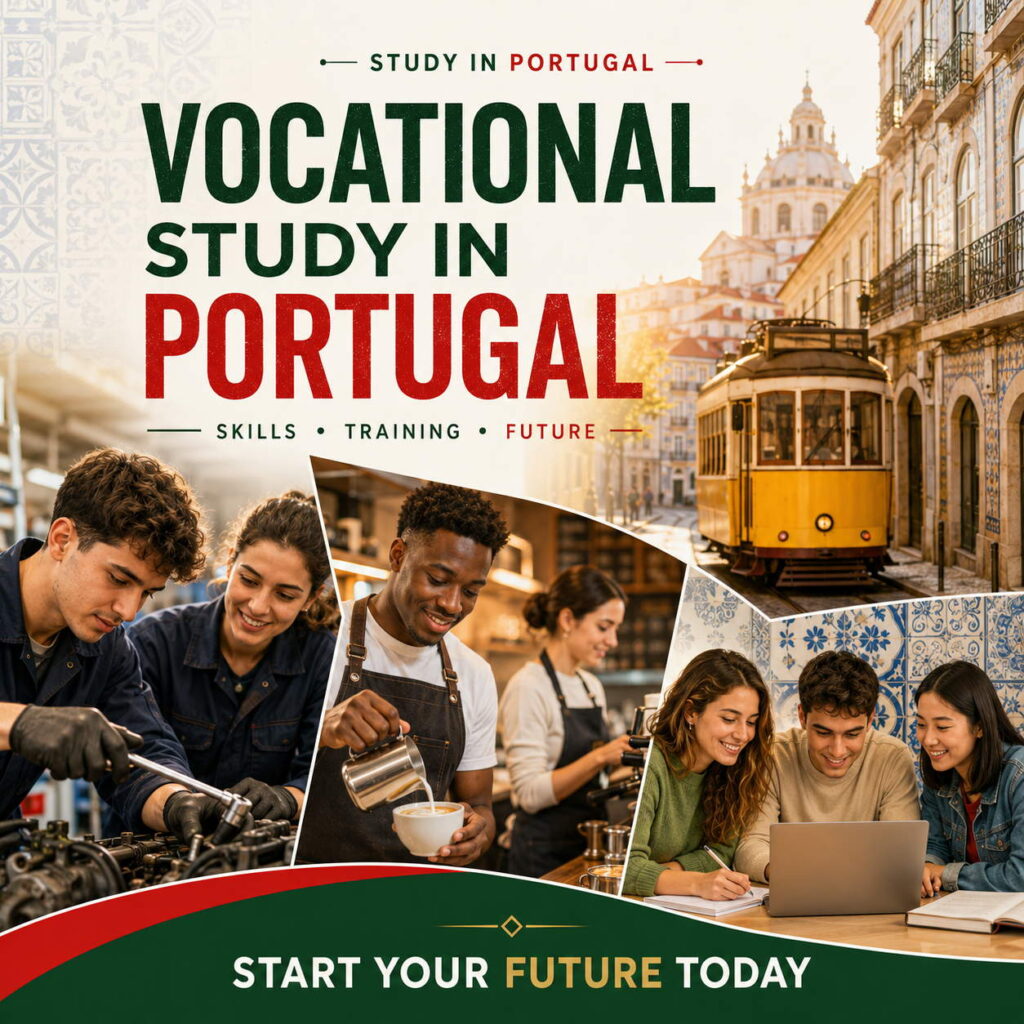
Vocational Education as a Pathway to Eligible Residency and Lasting Success.
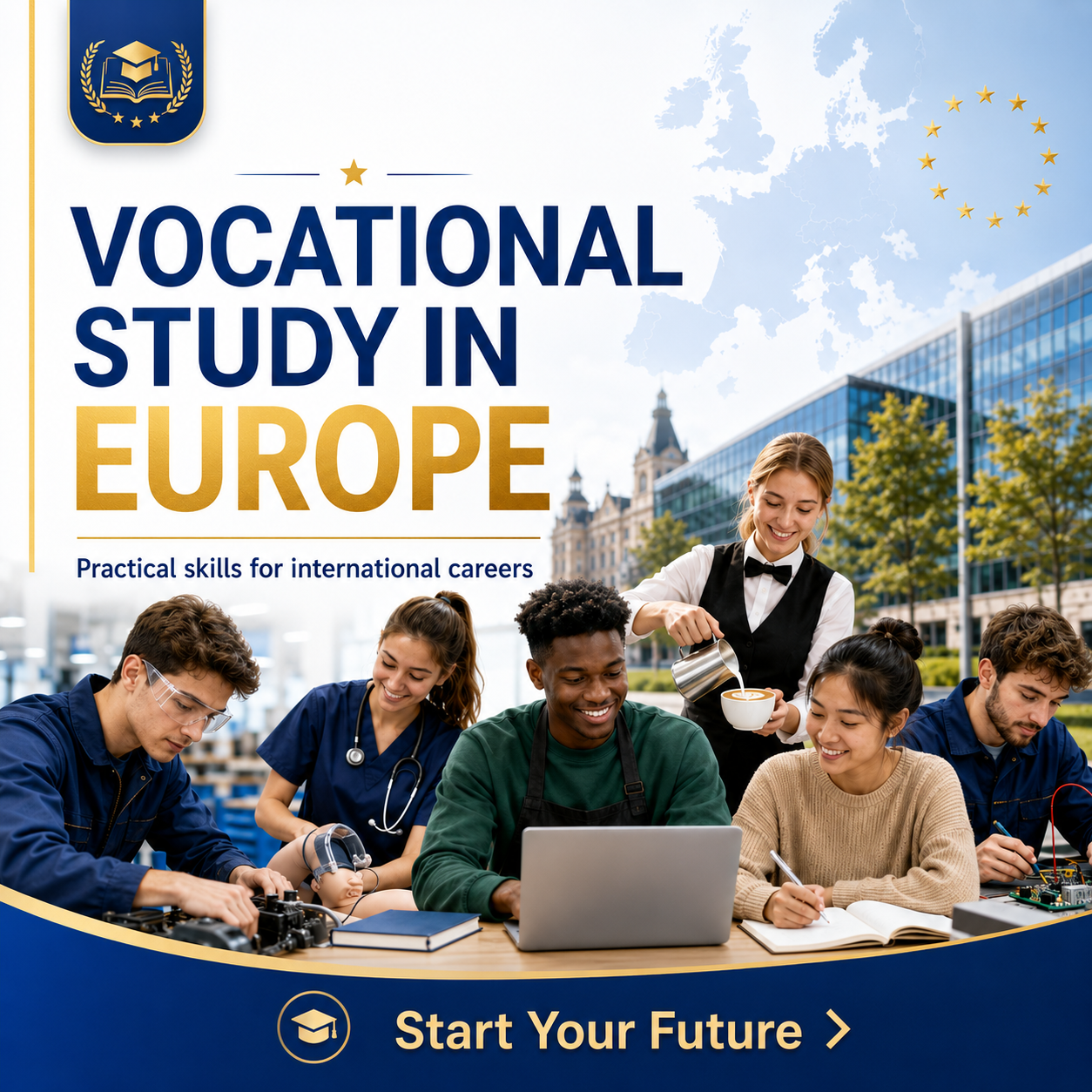
Under Article92 of Portugal’s immigration framework, vocational training can serve as a lawful basis for residence when the program is accredited and linked to real labour needs. Sectors like hospitality, construction, IT, renewable energy and healthcare are priority areas where skills meet demand.
This is not a loophole It is a policy tool designed to support integration through training, language acquisition and employment. Vocational education is a smart, dignified route that matches personal drive with Europe’s real economic needs. It’s not a shortcut; it’s a structured road to stability. In Portugal and across Europe, vocational education has become one of the clearest bridges between ambition and opportunity.
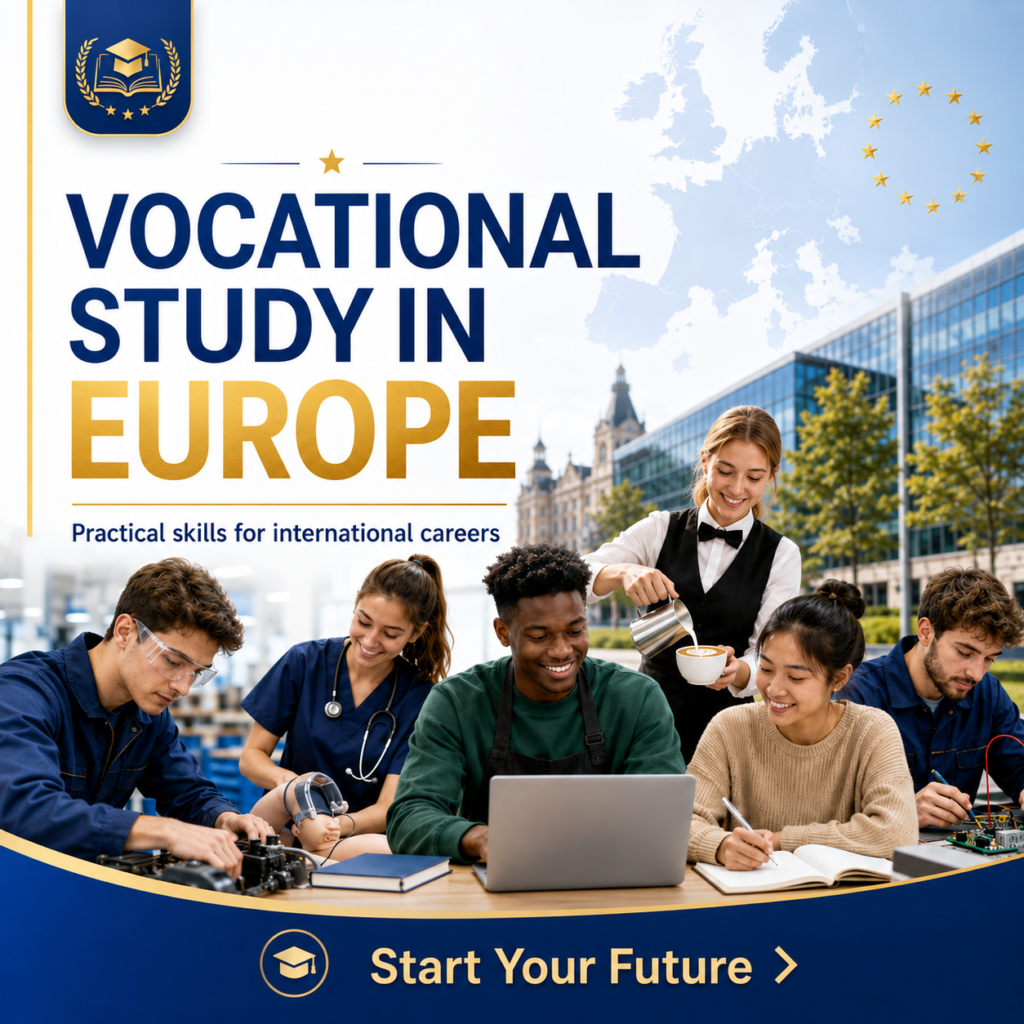
Under Article 92, Portugal recognizes that third-country nationals who enrol in approved vocational programs can qualify for residence when training is accredited and aligned with labour shortages. That matters. Because Europe doesn’t just need more diplomas, it needs practical hands and applied skills.
Programs tied to sectors like hospitality, building trades, IT support, elder care, and green energy create a fare, transparent deal: train seriously, integrate, and contribute. In return, gain stability and a legal foothold. This pathway rewards effort and responsibility, reduces precarity, and helps host countries fill gaps with people who are trained locally. For immigrants, it’s not just a permit; it’s a plan to build a life through skills that Europe values. That’s how you turn education into stability, and stability into success.
Vocational education is one of the smartest investments a person can make. It aligns personal ambition with real economic demand. Portugal’s model shows how legal pathways plus skills development can support both social integration and growth. This is how futures are built: with education, legal clarity, and practical skills that move Europe forward.