

Portugal’s 2025 Elections
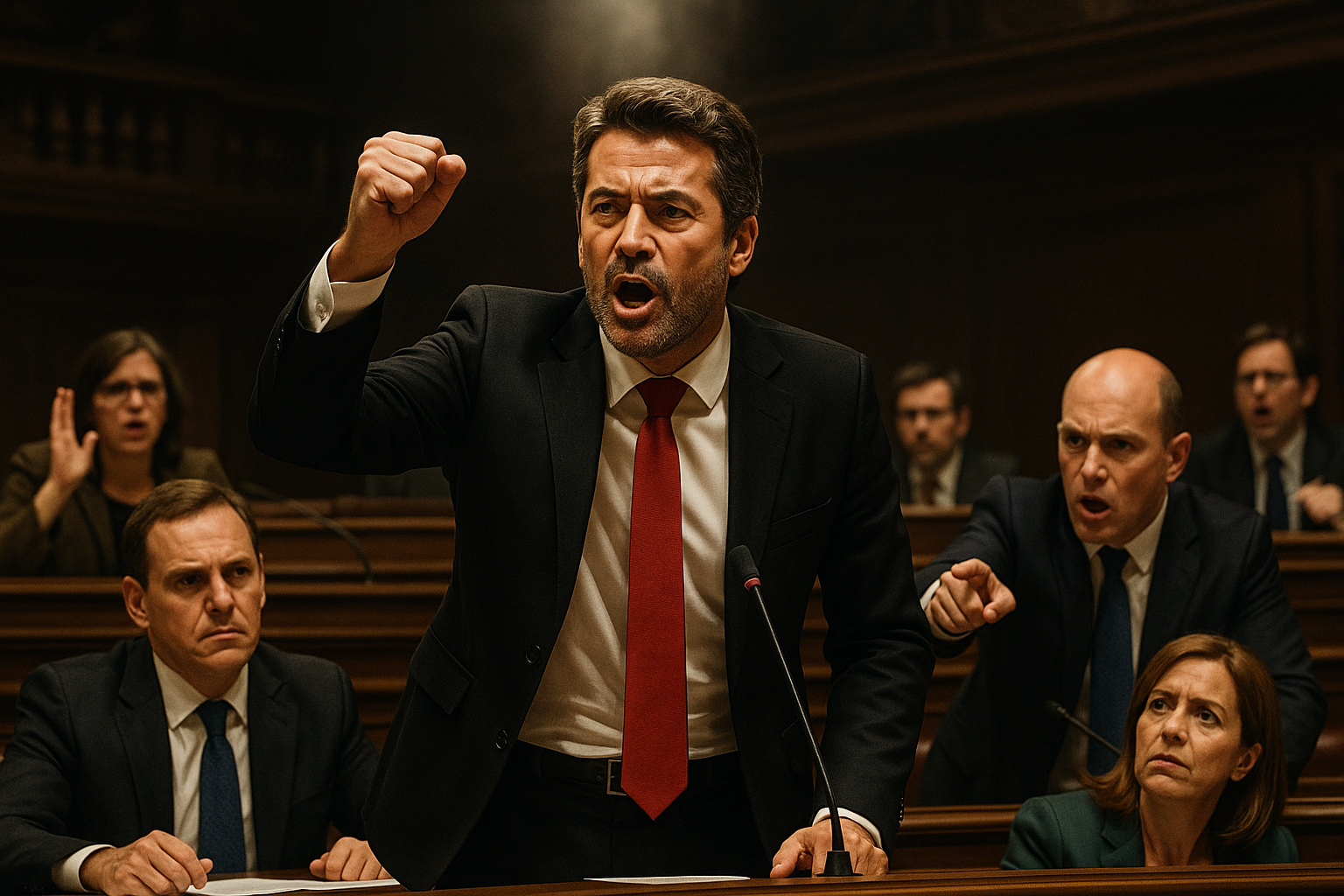
Five Key Takeaways as the Right Rises and the Left Reorganises
Portugal’s snap election in 2025 delivered dramatic political shifts, deepening uncertainty while offering a glimpse into the country’s evolving political landscape. From historic gains on the right to the resignation of a major party leader, here are the five most important developments you need to know
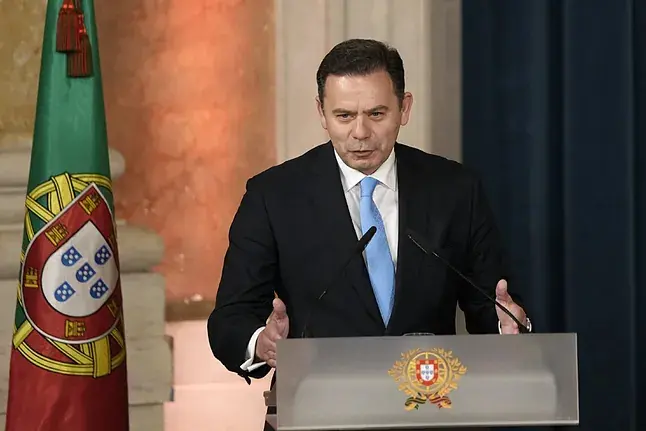
Luís Montenegro Keeps His Seat as Prime Minister
The centre-right Democratic Alliance (AD), under Luís Montenegro, won the most votes (32.1%)—a clear, though incomplete, mandate. While lacking an outright majority, Montenegro’s party outperformed the combined left, giving it momentum to continue as Prime Minister. Coalition negotiations will be key to his political survival, but the President is expected to reappoint him to lead the next government.
Enrollment in Recognised Programs: Be enrolled in a vocational training course that is:
Registered with the Directorate-General for Employment and Labour Relations (DGERT).
Aligned with Level 4 of the National Qualifications Framework (NQF).
Financial Means: Demonstrate sufficient financial resources to support themselves in Portugal.LinkedIn+1LinkedIn+1
Accommodation: Provide proof of accommodation in Portugal.
Clean Criminal Record: Present a criminal record certificate from their country of origin or residence
André Ventura and Chega’s Rise: A Historic Opposition Shift
Chega, Portugal’s right-wing populist party, surged to around 23% of the vote, threatening to overtake the Socialist Party as the main opposition. If confirmed, Chega leader André Ventura could officially become “leader of the opposition,” a major political and symbolic milestone for the party.
Right-Wing Parties Secure Two-Thirds Parliamentary Power
Appoint high-level institutional figures.
Together, AD, Chega, and the Liberal Initiative hold a rare supermajority in Parliament. While they haven’t agreed on a coalition, this majority gives them enough leverage to propose constitutional changes and appoint high-level institutional figures — a political gamechanger.
Pedro Nuno Santos Steps Down as Socialist Party Leaderplease consult with a qualified immigration professional.
Facing historic losses, Socialist leader Pedro Nuno Santos resigned. He acknowledged responsibility for the defeat and confirmed internal party elections are on the way. The PS is now facing an identity crisis, just one year after holding an absolute majority.
A Hung Parliament Means Ongoing Political Instability
Despite AD’s win, Montenegro must still rely on outside support to govern, and he refuses any deal with Chega. Meanwhile, the Socialists are not offering to cooperate. This fragile situation, scandals, and leadership changes mean Portugal’s political scene will remain volatile.

Cristina at 2:55 am, July 15, 2025 -
Good shout.