

PORTUGAL’S 2026 IMMIGRATION REFORM: WHAT YOU NEED TO KNOW
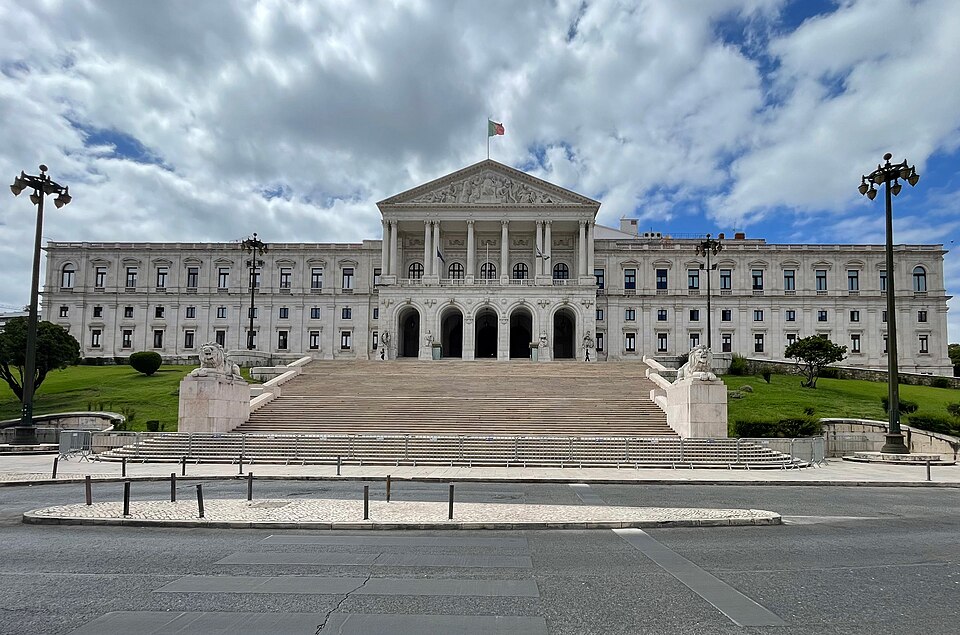
Lisbon | 12 August 2026
Important reminder: Although both reforms have been approved by Parliament, they are not yet legally in force
Portugal’s immigration framework is again facing an important period of change, with proposed amendments affecting vocational-training-based residence applications, family-related residence routes and the timing of immigration procedures.
On 17 July 2026, the Portuguese Parliament approved the final text of another reform of the Foreigners Law. Among the most important proposed changes is a restriction affecting foreign nationals who seek residence in Portugal through vocational or professional training courses.
VOCATIONAL TRAINING ROUTE UNDER PRESSURE
Portugal has historically provided different residence pathways for foreign students and trainees. The Foreigners Law recognises residence categories connected with education and professional training, while residence-permit holders also have rights relating to education and vocational training.
The latest reform seeks to make it significantly harder to use enrolment in a vocational or professional course as a route to regularise immigration status from inside Portugal.
This distinction is extremely important
The reform does not mean that vocational training itself is prohibited. Foreign nationals may still study or undertake recognised professional training where the appropriate immigration conditions are met. The main issue concerns whether a person who entered Portugal without the required residence visa can subsequently rely on vocational-course enrolment to obtain residence
WHY THE TIMING MATTERS
Anyone currently studying, enrolled in professional training or preparing an immigration application should pay close attention to the date on which any new rules actually enter into force.
A parliamentary vote alone does not automatically mean that every proposed restriction applies immediately. Portugal’s legislative process can still involve presidential consideration, constitutional scrutiny where applicable, promulgation and publication in the Diário da República.
For this reason, applicants should avoid assuming either that the previous route has already disappeared or that it will remain available indefinitely.
CURRENT PRACTICAL MESSAGE
Portugal is clearly moving towards an immigration model in which obtaining the correct visa before travelling becomes increasingly important. The 2025 amendments to the Foreigners Law already changed several immigration categories, and the 2026 proposals continue this restrictive direction.
The key point: Vocational training remains possible in Portugal, but its use as an in-country immigration regularisation route is facing major restrictions.
Information current as of 12 August 2026. This article is for general informational purposes only.