Portugal’s Immigration Update – Mid-August 2025: Court Rebuffs Reform, Backlogs Persist

In mid-August 2025, legal, administrative, and political forces continued to shape the trajectory of Portugal’s immigration framework, reflecting both institutional pushback and systemic tensions.
Constitutional Court Overturns Family Reunification Restrictions
On August 8, Portugal’s Constitutional Court ruled crucial elements of a new immigration bill unconstitutional.
The struck-down provisions included a two-year mandatory residency period before foreign residents could apply for family reunification—unless they were high-skilled workers or “Golden Visa” investors.
The court deemed these measures a breach of the constitutional right to maintain family unity. As a result, President Marcelo Rebelo de Sousa sent the legislation back to Parliament, halting implementation for further deliberation.Re

Legislative Revisions Delayed Into Autumn
Originally passed by the centre-right-led Parliament in July—with support from the far-right Chega party—the bill also aimed to restrict work visas, tighten naturalisation, and reinforce control through a national enforcement unit.
However, in light of the court’s verdict, implementation is now postponed, with lawmakers set to return with fresh revisions following the political recess.

AIMA Backlog and Golden Visa Status
Meanwhile, administrative bottlenecks remain high on the agenda
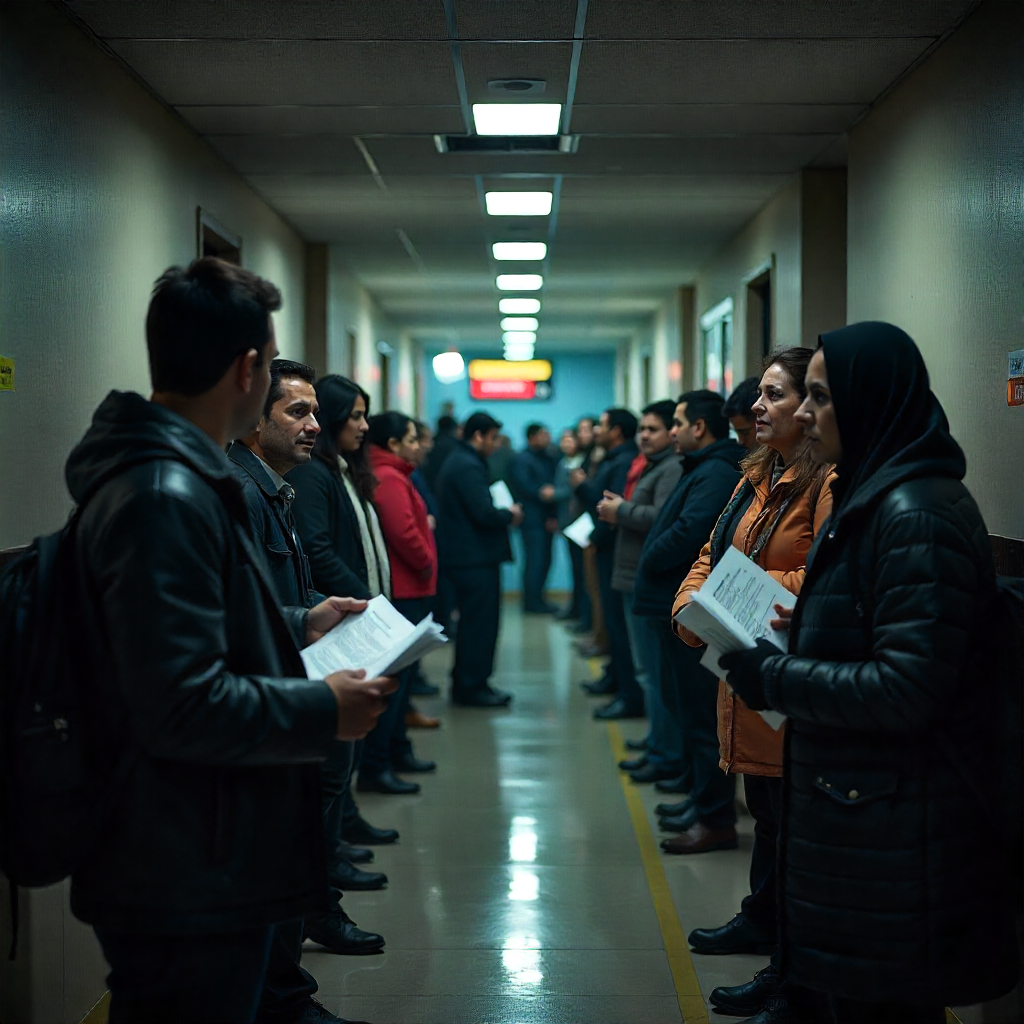
AIMA (Agency for Integration, Migration and Asylum) continues to tackle an enormous backlog of residence and naturalisation cases, although the backlog has begun to decrease. Meanwhile, demand for the Golden Visa remains strong, with applicants—especially from the United States—superseding pre-pandemic levels
Summary:
Mid-August 2025 reveals a Portugal in the midst of recalibration: constitutional safeguards curtailing sweeping reforms, Parliament gearing up for renewed legislation in autumn, and applicants grappling with lingering administrative delays. The coming weeks will be critical as legal, political, and bureaucratic forces converge to shape the next chapter of immigration policy.